
MinDArT is a dual-care eight week nature-based sensorial material and digital drawing programme for people with dementia and their supporters
Developed by:
Massey University and Institut Claude Pompidou CoBTEK/ CMRR,
with Dementia Wellington and Dr. Gary Cheung from The University of Auckland joining in 2018,
Dr Susan Gee and Tracey Hawkes from Canterbury District Health Board , Dementia Canterbury and Christchurch Art Gallery Te Puna O Waiwhetū in 2020,
Burwood Dementia Ward and Hōhepa House for people with Downs syndrome in 2021 and The New Zealand Spinal Trust in 2022.
The project explores the hypothesis that fine motor capabilities are retained in the neurodegenerative pathologies of dementia and that by working with these relatively preserved capacities through drawing, we can help maintain proficiency and expect an improvement in the verbal and non-verbal communication level of the people with dementia by giving them an opportunity to express in another medium that isn’t oral.
The programme aims to improve communication, wellbeing and self-esteem in participants as well as help maintain fine motor skills.
The Sessions
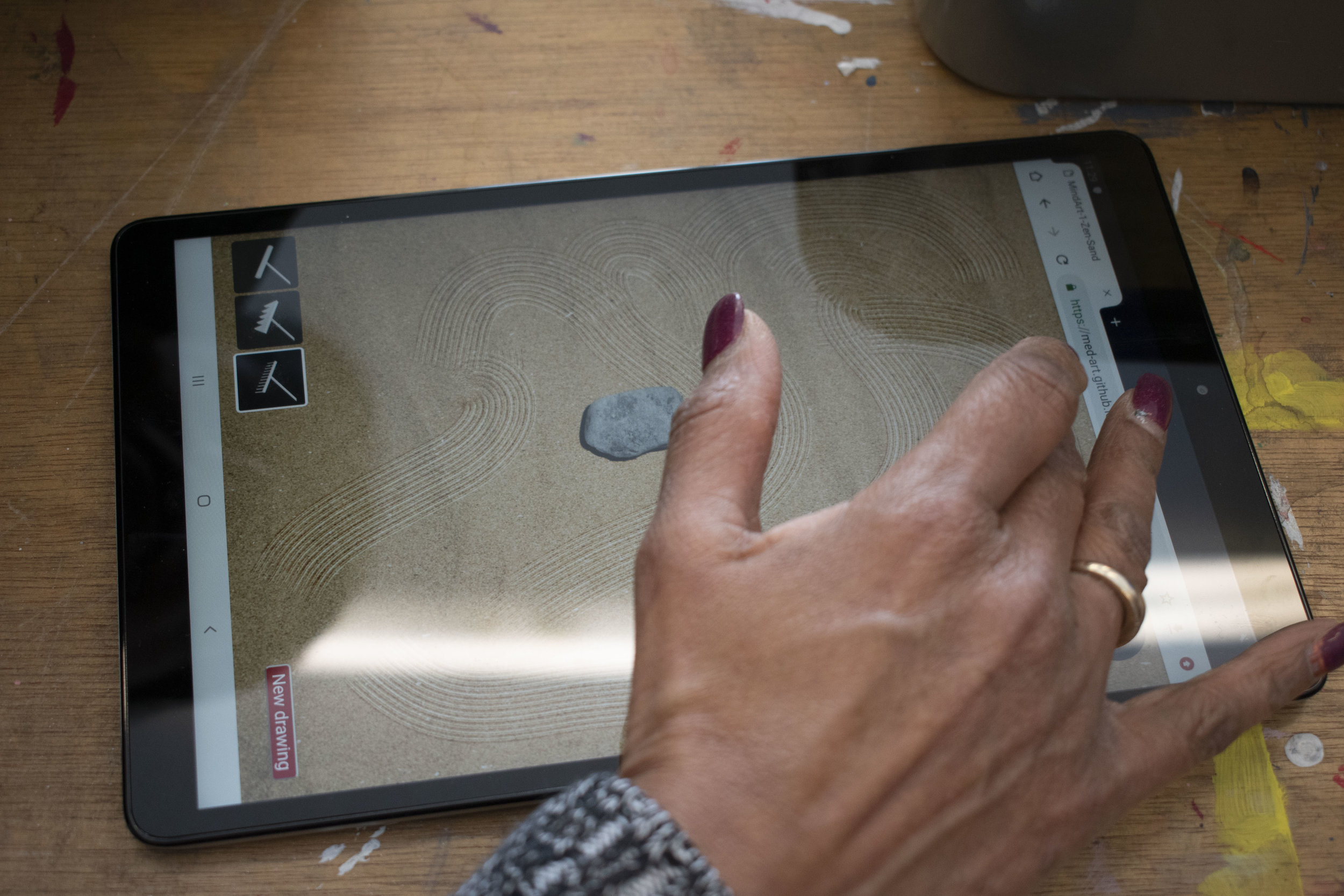
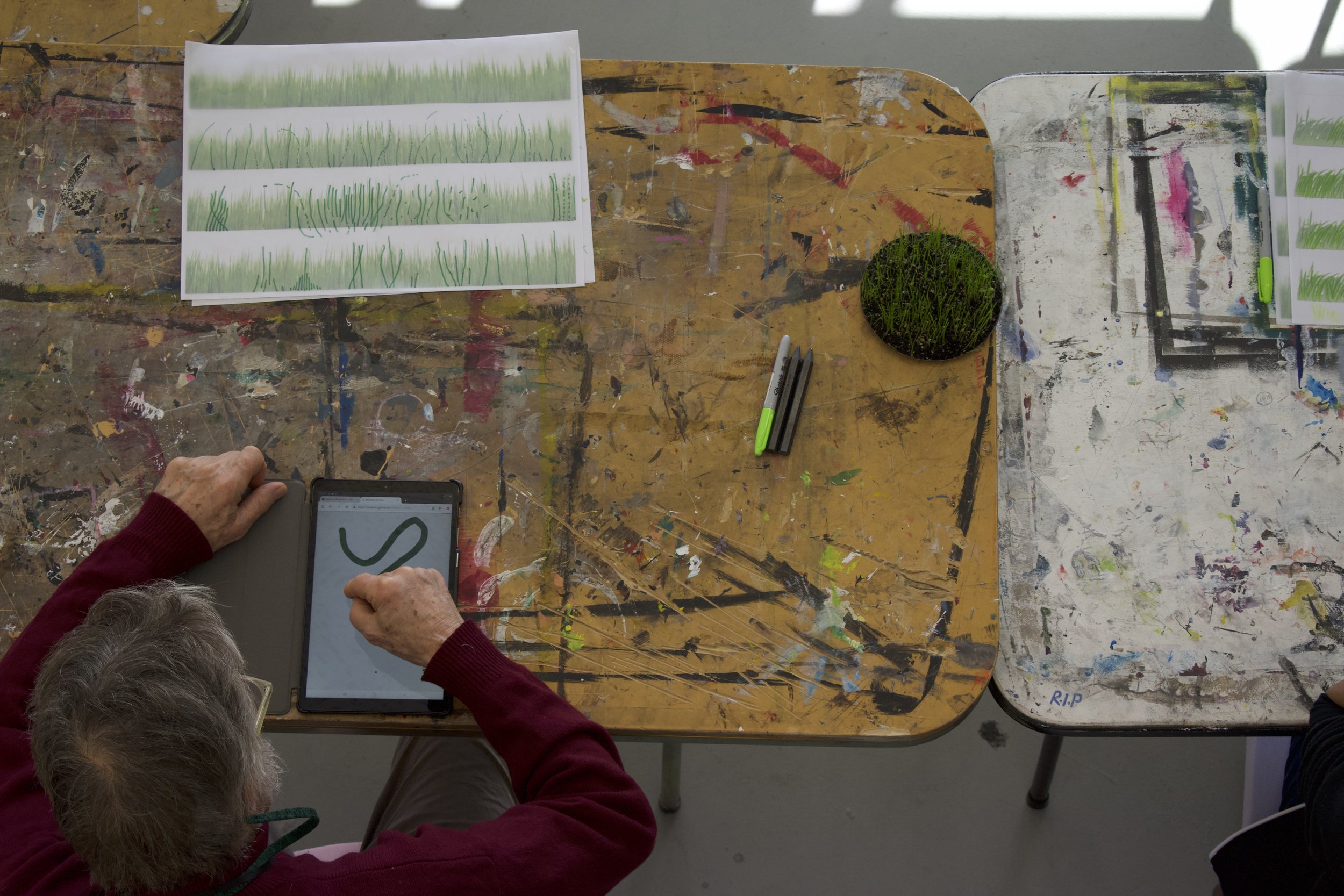
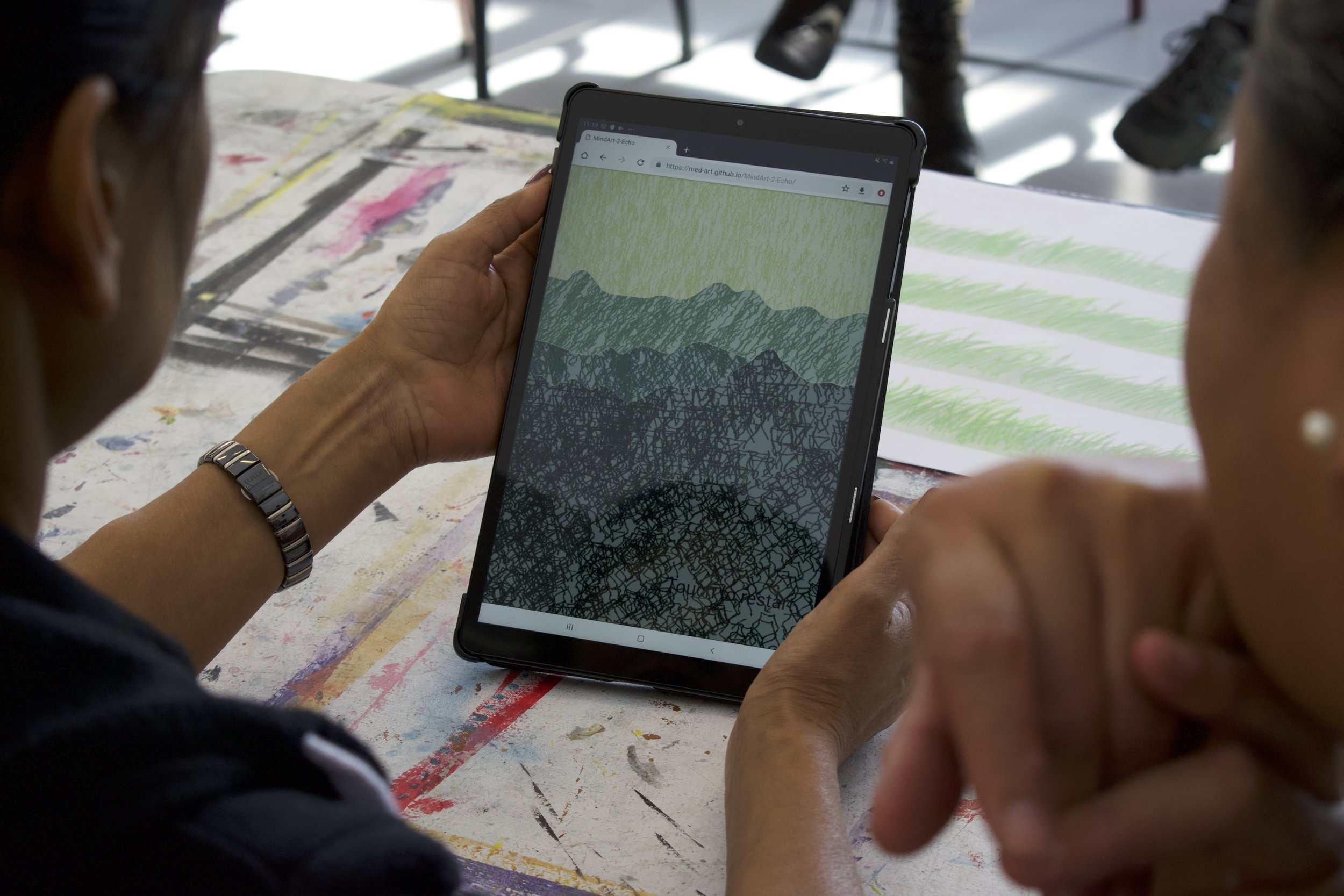
MinDArT is an eight-week dual-care programme for people with dementia and their supporters. Each weekly session involves people with dementia undertaking custom-designed material and digital drawing exercises, while their supporters in an adjacent room either undertake a tailored meditation programme (France) or the same drawing programme (Aotearoa/ New Zealand) . The drawing programme is inspired by nature, engaging as many senses as possible and applying repetitive drawing movements to relax, stimulate and engage participants. Each session utilises natural resources, traditional drawing materials and a specially designed digital drawing application. The MinDArT digital applications are world-leading and unique to the programme. The applications are assessed and modified at each stage of the overall project.
Additionally, each participant is given a digital tablet for the duration of the programme so that they can repeat the sessions at home. This allows them to access the benefits of the digital drawing programme at their own leisure until they are presented with the next instalment the following week.
Differences between the French & Aotearoa/NZ MinDArT study
In Aotearoa the first pilot study of MinDArT drawing programme was held in July 2019 with a group of supporters in Wellington. Providing useful feedback for improvements of the programme and to prepare for an ethics application. Feedback was incredibly positive and has resulted in the supporters also wanting to undertake the drawing programme in parallel to their loved ones (please see their comments below). Hence the next pilot study for the Aotearoa/ New Zealand MinDArT programme has been planned to be two parallel sessions of the drawing programme, while the French study will stay as originally planned.
Please note that the French pilot study was successfully delivered in November 2019, with another planned for June 2020 but now delayed until June 2022.The French study meditation workshops for supporters are based on renowned MBSR (Mindful-based Stress Reduction) programme by Kabit-Zinn
Comments from the MinDArT supporters programme
How would you describe MinDArT?
“A series of activities for challenging people with dementia to explore things to come stimulate and keep their minds active.”
“It’s like another form of communication using different mediums”
“It lets you be in the moment in a relaxing, meditative state, as well as being stimulating”
“I thought it was a very consciously designed program, around going back to nature and the themes and allowing people to go back to creative basics – it felt like it was very purposeful.
…And earthed.”
How did you find MinDArT personally?
“It’s been very rewarding for me, because this is more than I expected in terms of getting back to myself. This has become my time, and my ability to be able to get away from the day to day realities, and I feel like I’ve come into a bubble, and it’s quite a loving and creative and stimulating bubble. Coming back into it into the real world – I needed this time, for me, and it’s been a jolt, because of the contrast, of being able to have this wonderful session and going back. And I feel more bolstered, being able to deal with what I need to get on with.”
“For me I was really happy to share with others what I was doing and where I was going. In fact, my friends are envious that I have this opportunity because they can see that I’m happier as a person, and they can see I’ve gone back to being creative and more open about it and when my friends see I’m happy, they can see that it has an influence on my family, especially my Mum. So I’m pleased to share with anyone that I go to MindArt and this is what it does for me, and this is how it would help my Mum”.
“When I described my feelings after the second to last session to the support group that I attend, which I attend right after this, and I was saying, “I feel so wonderfully relaxed,” and the more I described the program the more they said, “Well that’s just what we need too.”
“And freeing, creatively. I feel as an adult, more often than as a child, that your art is quite restricted; and to come into a space where anything you make is okay, and then you get to see what everyone is making too, it’s quite freeing.”
“There’s a lot of joy that comes out of these sessions.”
“There’s a lot of empowerment that comes out of it too.”
“It’s quite wonderful how it’s not judgmental you have the freedom to express and explore, and you have fun with like-minded people who are on the same path with their loved ones so it’s nice to be away and just to allow yourself to be in the moment and the freedom to express and using MindArt as a form.“
“Something in common is good, I think, as well, when you’re caring for somebody with dementia, and it can feel that they’re on a different path than you, and having a shared activity that you both are doing, however it’s coming out, you both have that understanding of each other. Something in common is a good thing.”
“This has just been just as valuable for the caregivers as for those it was intended for, if you like. Caregivers and those with dementia both get something out of this. Something they can share in as well.”
“It was an escape from having to explain, because we all know we have some level of shared experience of what’s going on with our loved ones which means we can just get into the art.”
“I would prefer, in terms of what you were saying, it makes total sense, because I want my mother to have her own time, and to be free and not have to look to me, or feel hesitant about doing the wrong thing, and it’s rare that she has that opportunity in a supportive environment so to be able to provide that to her – and as a bonus, for me to also have it but doing the same thing as her, and when we come together, I know what she’s done, and I can help support her afterwards. Because I know what she’s done, I can say ‘oh when you did that exercise, when you were doing that with the paints,” you know, we can have those discussions, and I can remind her. It makes sense.”
MinDArT back to France June 2022
We are happy to announce that Emma Febvre-Richards has traveled back to Institut Claude Pompidou to finish the second stage of the French MinDArT Study that started in 2019. We are looking forward to the results and the upcoming publication.
MinDArT Evaluations Tools Study August 2022,
Massey University, Wellington Aotearoa/ New Zealand
This study aims to assess the acceptability and feasibility of the proposed outcomes measures for a later trial Randomised Control Trial (RCT) of MinDArT in 2023-2025 for 128 participants in Wellington, Kapiti, and Christchurch.
The results for the study focus on how people found the components of the assessment - was there anything that they didn't manage, didn't do or didn't like that would provide a red flag for planning the full study.
Massey University is joined by Dementia Wellington, Tū Ora Wellington, Canterbury District Health Board and The University of Auckland.
MinDArT in Burwood Hospital
Meaningful activities help to provide pleasure, control, and reinforce a sense of identity and they can help reduce anxiety and stress in hospital environments. As a meaningful and relaxing activity, MindArT may offer a very special tool in the toolbox of occupational therapists for patients with cognitive impairment during their stay in hospital. We are delighted to share an update about the trial introduction of MinDArT to the dementia specialty older persons mental health ward at Burwood Hospital in Christchurch. Click here for further information.
Other MinDArT initiatives
(2020-2022) MinDArT Digital Drawing Applications for Stress Reduction for Nursing Staff and Supporters on the Covid-19 Hospital wards in France
(2021-) MinDArT for people with Downs Syndrome and dementia workshop at Hōhepa House, Christchurch, Aotearoa New Zealand
(2022) Presentation on MinDArT at Older Persons Mental Health Workshop at Tū ora, Wellington, Aotearoa New Zealand
(2022) MinDArT and Hilma Workshop at City Gallery Wellington, Aotearoa New Zealand
MindArt Team

DR ALEXANDRA KÖNIG
Dr Alexandra König currently works at the Memory Clinic, Centre Hospitalier Universitaire de Nice, at the Research Lab Cobtek (Cognition, Behaviour, Technology) at the University Côte d'azur and the French Institute for Research in Computer Science and Automation (INRIA), Sophia Antipolis. Alexandra does research in Neuropsychology, Geriatrics, Neurology and Psychiatry with a focus on the intersection with technology development and the use of Artificial Intelligence. Her current projects are on the use of automatic speech analysis for assessing cognitive function and emotional disturbances in elderly people and the design of non pharmacological interventions involving assistive technologies.

CHRISTELLE FILLEAU
Christelle Filleau, psychologist specializing in neuropsychology.
Employed at the Nice University Hospital since 1987, she is involved in research projects, evaluation, monitoring and management of patients suffering from Alzheimer's disease or related syndromes.
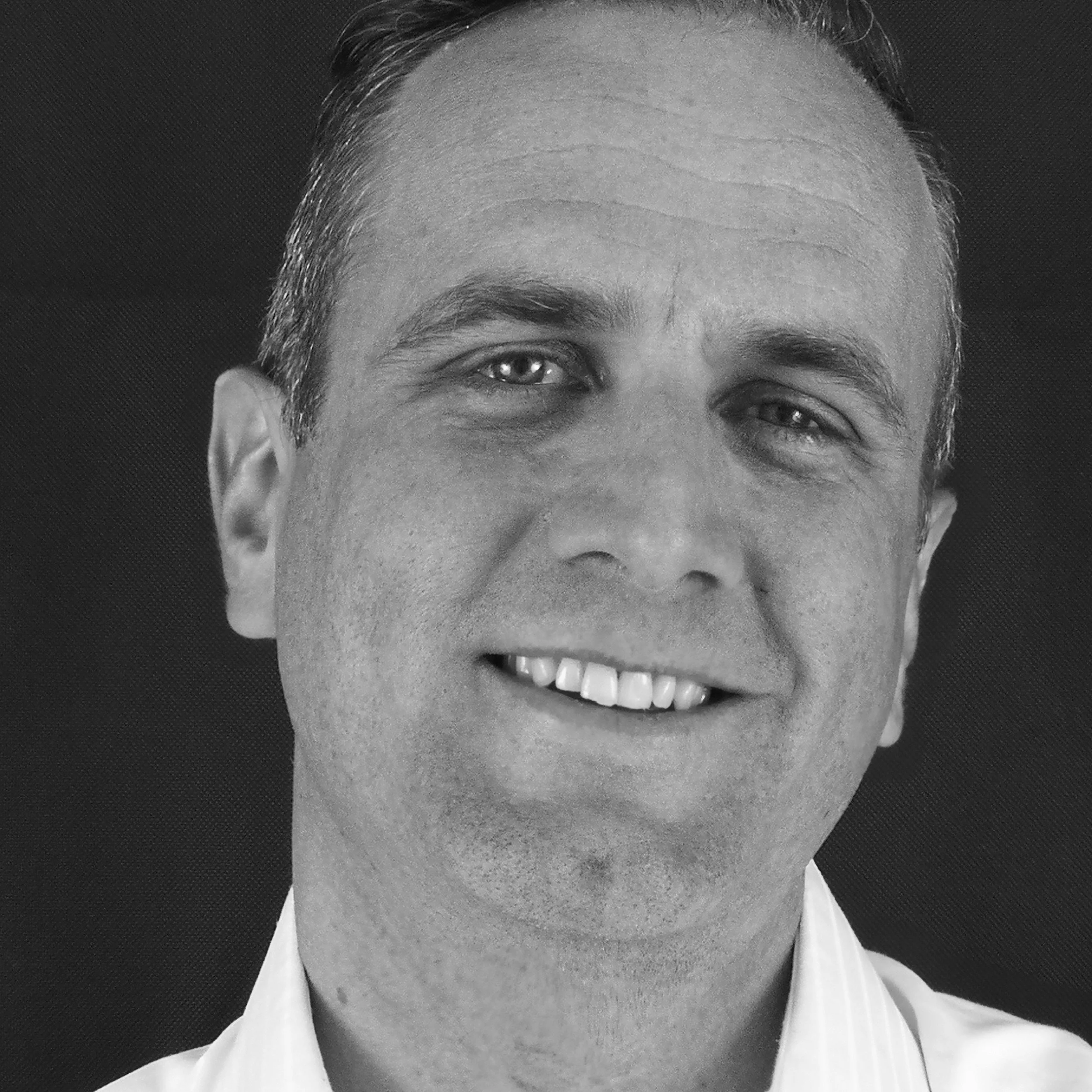
DR RENAUD DAVID
Dr David Renaud is physician at the Nice University Hospital in the memory Center. He received his MD in psychiatry from the Nice School of Medicine and his PhD in biology from the UCA University Cote d’Azur. His fields of expertise are the study of cognitive and behavioural disturbances in aging and neurodegenerative disorders, the movement analysis (actimetry), and the use of information and communication technologies for the early diagnosis and the non pharmacological management of cognitive disorders in elderly subjects.
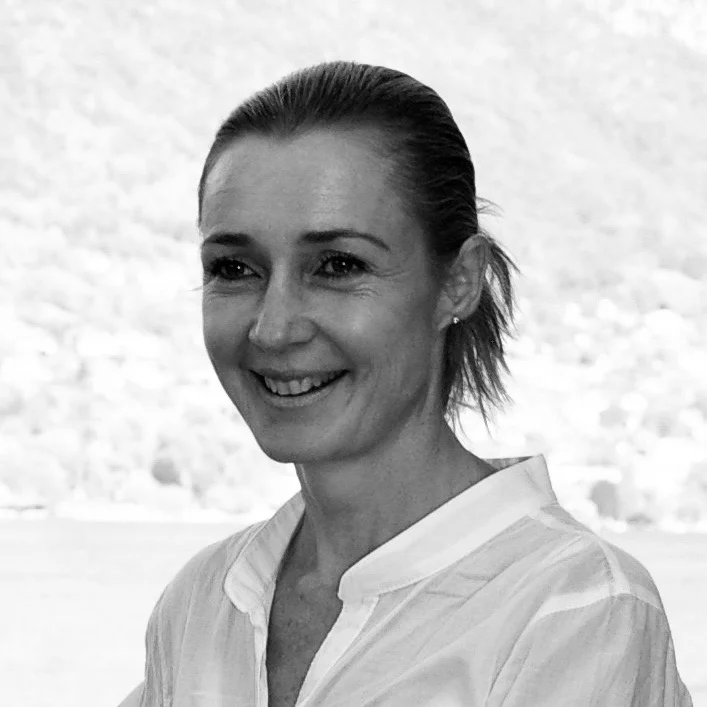
EMMA FEBVRE-RICHARDS
Emma Febvre-Richards is an artist, whose research sits within the expanded practice of drawing. Engaging ‘Drawing is Thinking’ to combine traditional mediums of rendering with advanced technology and other disciplines (sound and neuro-science) to explore how codes of our environment, culture and art creation inform and influence brain function, memory and experience.
She founded MeDArT in 2018 and is passionate about how art, science and technology can combine to enrich and advance dementia research.
Febvre-Richards has exhibited and published in Asia, Europe and the Pacific (EmmaFebvre-Richards.com), and is a co-founder of Drawing Open: an international research community (drawingopen.com).

DR GARY CHEUNG
Dr Gary Cheung (PhD, FRANZCP, MBChB) is an academic old age psychiatrist. He currently holds a joint appointment between Auckland District Health Board as a community old age psychiatrist and the University of Auckland as a Senior Lecturer. His research interests are centred on improving health outcomes and quality of life and care of older people living in aged residential care and community. He co-leads the translation and research of cognitive stimulation therapy (CST) for mild to moderate dementia in New Zealand.
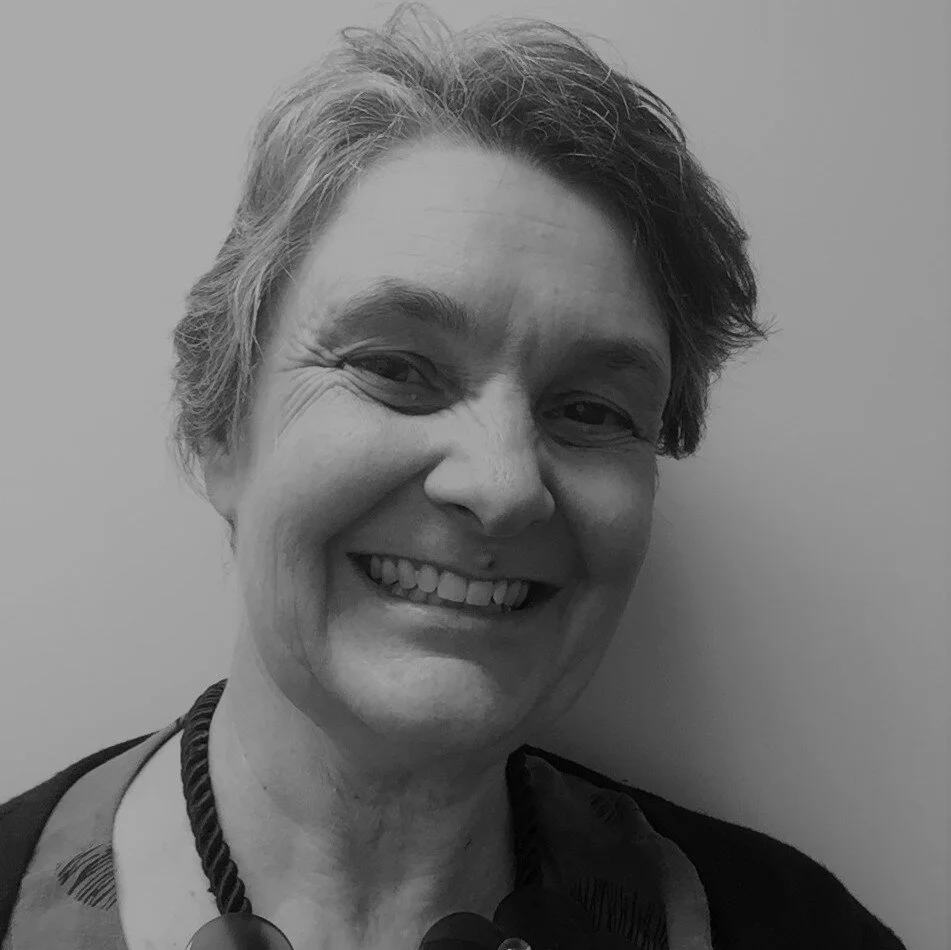
DR SUSAN GEE
Susan is an experienced researcher who concurrently holds the position of lead researcher of the Psychiatry of Older Academic Unit for the Canterbury District Health Board. She holds a PhD in Psychology and a Masters in Gerontology. Susan has leadership and support roles in relation to dementia education, delirium prevention, and person-centred care and her research and publications reflect and strengthen these foci. She is a research advisor for Dementia Canterbury and co-opted expert for the Health of Older People South Island Service Level Alliance.

TRACEY HAWKES
Tracey Hawkes is an Occupational Therapist with over 2 decades of clinical experience and a Dementia Educator at Canterbury District Health Board based in Christchurch, Canterbury. She facilitates the ‘Walking in another’s shoes’ dementia education programme for home-based support staff. Tracey also holds a role at Hohepa Canterbury. Her focus is helping care staff to develop the confidence and person-centred tools to support older people to live more independent and fulfilled lives.
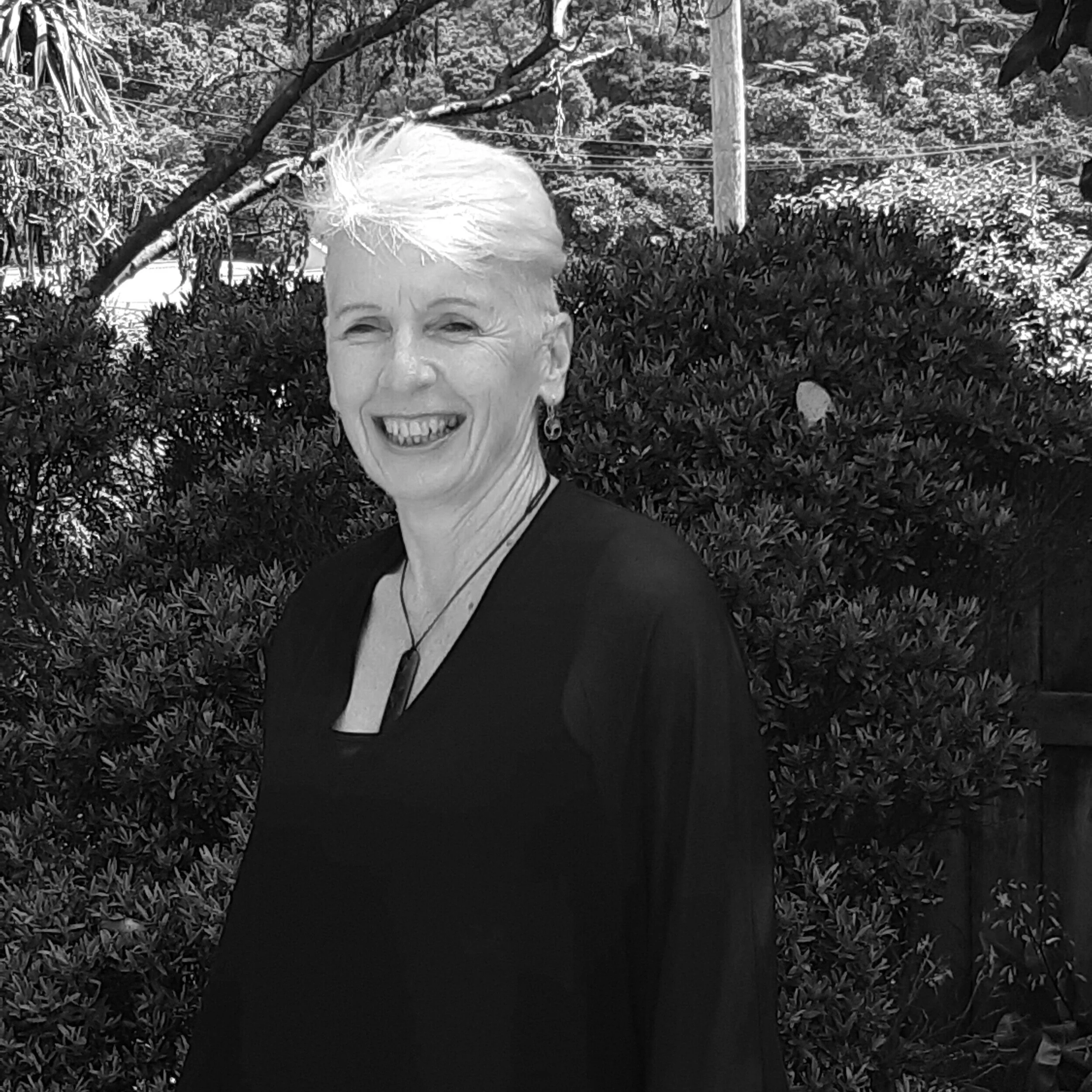
SARAH TOGHER
Sarah is a registered nurse who has specialized in older adult mental health and dementia during her nursing career in the NHS, working in various hospital inpatient and the community services settings in the UK.. Here in NZ she worked as a clinical manager in an aged care facility before joining Dementia Wellington, as a dementia advisor. Sarah is also the lead for the implementation of Advanced Care Planning for people with dementia.
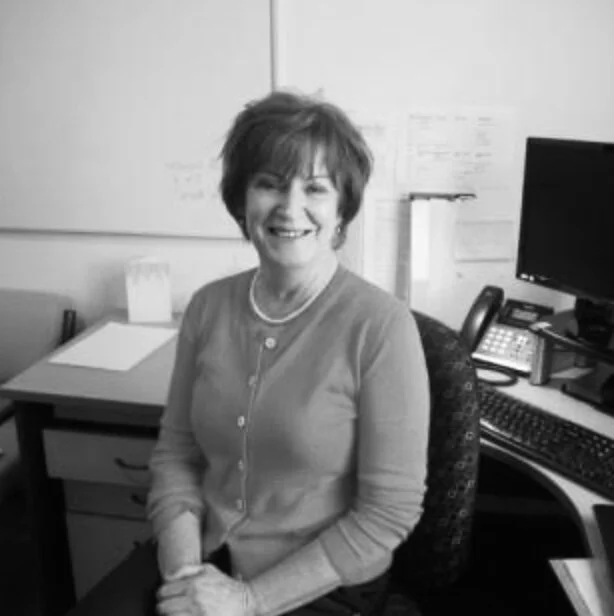
ANNE SCHUMACHER
Anne is the Chief Executive of Dementia Wellington, a position she has enjoyed for 6 years. She is a registered nurse and has an MA in Nursing from Victoria University, Wellington. Anne has extensive experience in gerontology nursing, and has held senior leadership positions both in residential care settings and community-based home care. She has lectured in postgraduate and undergraduate nursing programmes and remains passionate about bringing dementia out of the shadows and breaking down the stigma that is still so prevalent in our society. Anne leads a team of professional staff and volunteers that work to support people affected by mate wareware to live their best lives possible.

CAMERON MAY
Cameron May is an artist and programmer. In his art practice, Cameron uses machines, electronics and simulations to create artworks that are indeterminate and unstable. Cameron completed his MFA at Massey University in 2018, and has exhibited across New Zealand and Australia. For the MedArt project, Cameron is applying his coding experience to create a series of unique digital drawing applications.
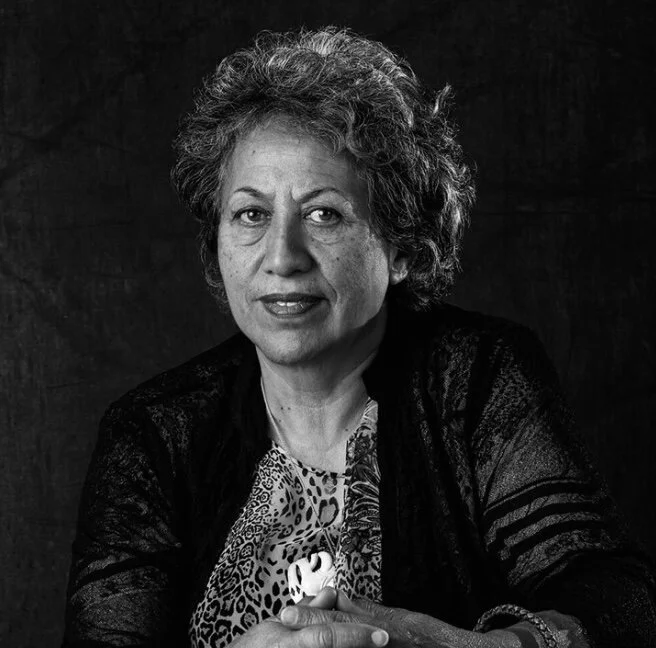
KURA TE WARU-REWIRI
(Ngāti Pakahi, Ngātirangi, Ngāti Kauwhata, Ngāti Kahu, Ngāpuhi, Ngāti Raukawa)
Kura since the mid-1990s’ has been an artist who has been proactive with the developments of contemporary Māori arts as a Māori Arts Educator, a consultant and a freelance curator. She is currently Associate Professor of Māori Visual Arts for Toioho Ki Āpiti Undergraduate, Post Graduate and Masters in Māori Visual Arts degrees at Massey Palmerston North and holds a significant list of achievements: including being introduced into the Massey University CoCA Hall of Fame in 2016; a Project Lead and major artist contributor to the completion of the Northland Polytechnic Whare ‘Te Puna o Te Mātauranga. (Opened Dec 7th 2015.); 2008-2014 Kura was one of the last Ministerial appointments to the Māori Art Board, Te Waka Toi of Creative New Zealand; and is one of the five Ngāpuhi Artist Board of Directors to Toi Ngāpuhi to advocate for artists and their aspirations.
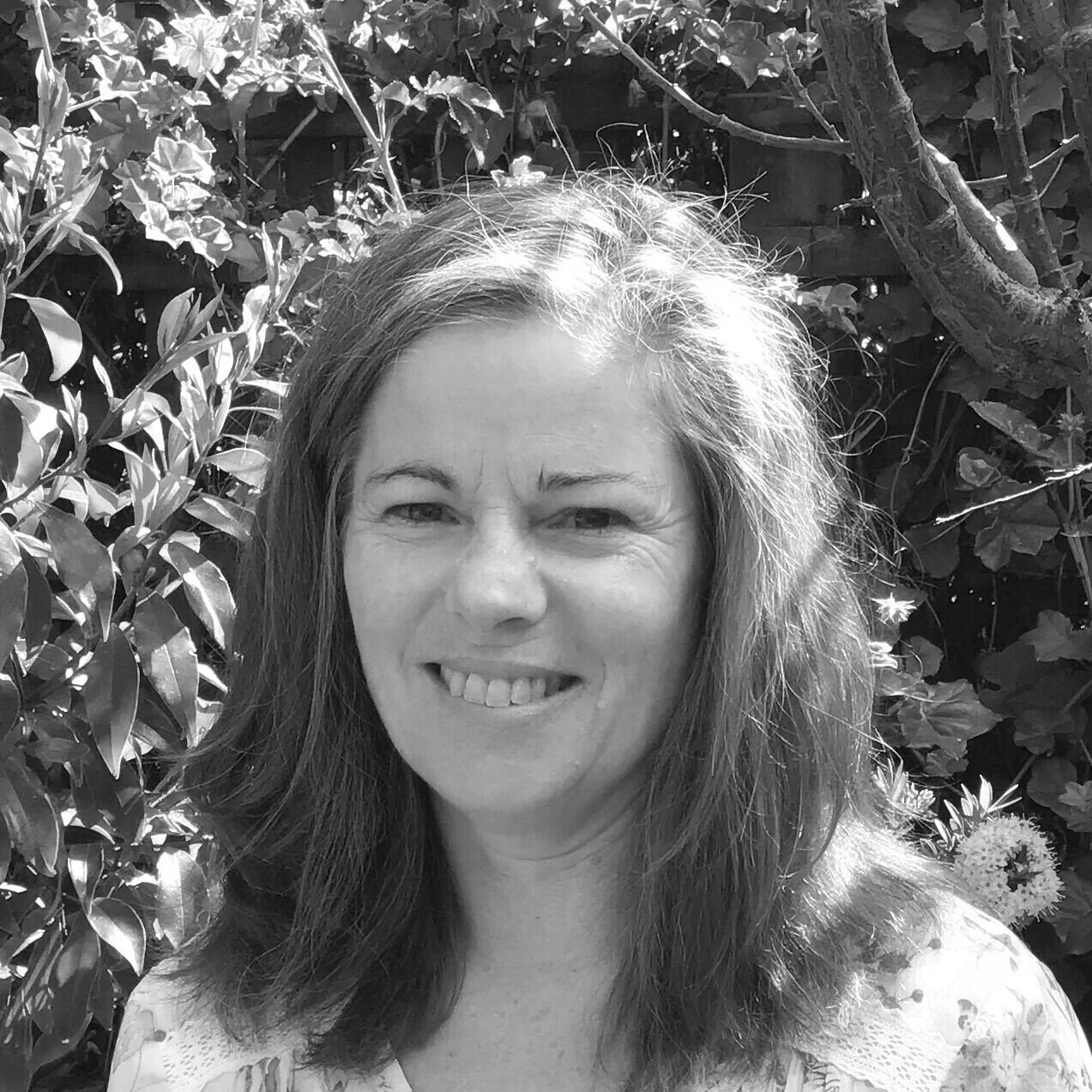
EMMA FROMINGS
Emma is a registered mental health nurse who has specialised in dementia throughout her nursing career. She has worked in various settings, hospital, aged residential care and the community.
She currently works for Tu Ora as a Health Improvement Practitioner, based in a medical practice. In this role she continues to work with people living with dementia and their families as well as educating health professionals to become better at recognising and responding to changes in cognition. Emma also facilitates the YODAT national online support group for whanau of people with young onset dementia. She has a particular interest in psychosocial supports for people affected by dementia.
MANON GUERRERO
Manon Guerrero, was a co-facilitator for MinDArT in Nice France in 2019. Leading relaxation exercises, evaluating participants before and after the programme, documenting, preparing learning resources, and helping with the delivery of these 8 sessions. MinDArT project was the subject of her thesis at the end of her masters degree to become a speech and language therapist.

EMMANUELLE DELMASSE-SIMONI
Emmanuelle Delmasse-Simoni was a co-facilitator for MinDArT in Nice France in 2019. Leading relaxation exercises, evaluating participants before and after the programme, documenting, preparing learning resources, and helping with the delivery of this 8 sessions.
MinDArT was part of Emmanuelle’s final exegesis to become a neuropsychologist (psychologist specialised in neurosciences).
MinDArT Internship and research assistants

COURTNEY JOAN McLAUGHLIN (CJ)
CJ is our BFA (Hons) Intern / Research Assistant for MindArt in 2022 and is in her 3rd year. CJ is interested in the science/art nexus and how it can benefit society.

ELANA SPOD
Elana Spod is our BFA (Hons) Intern / Research Assistant for MindArt in 2022 and is currently completing her final Honours year. Elana is hoping to go on to study Creative Arts Therapy and further explore her own practice and research.

HANNAH GREENWOLD
Hannah Greenwold was our BFA (Hons) Intern / Research Assistant for MindArt in 2021 and is completing her final year of the BFA (Hons) in 2022 and is hoping to go on to study medicine.

ASHLEY COULING
Ashley Couling was our BFA (Hons) Intern / Research Assistant for MindArt in 2021 and is completing her final year of the BFA (Hons) in 2022 and is hoping to go on to study curatorial processes and further explore her own practice

EMILY RIETVELD
Emily Rietveld is our Intern/ Research Assistant for MindArt in 2020. Documenting, preparing learning resources, and helping with delivery of this 8 week material/ digital drawing programme.
Emily is in her fourth and final year studying a Bachelor's Degree in Fine Arts at Massey University, Wellington.

HOLLY MASON
Holly Mason is our Intern/ Research Assistant for MindArt in 2020. Documenting, preparing learning resources, and helping with delivery of this 8 week material/ digital drawing programme.
Holly is currently in her fourth year of her Fine Arts degree at Massy University, Wellington.

ROHAN TRUEMAN
Rohan Trueman was our BFA (Hons) Intern / Research Assistant for MindArt in 2020 and is completing his final year of the BFA (Hons) in 2022 .

PAST CONTRIBUTOR
GABBY SINTON
Gabby Sinton was our Intern /Research Assistant for MindArt. in 2019. Documenting, preparing learning resources, and helping with delivery of this 8 week material/ digital drawing programme. Gabby has now completed her Fine Arts degree at Massey University, Wellington and is now completing her Post-graduate Diploma in Early Childhood Education.

PAST CONTRIBUTOR
KAY WILLIAMS
Kay Williams was our Intern /Research Assistant for MindArt in 2019. Documenting, preparing learning resources, and helping with delivery of this 8 week material/ digital drawing programme.
Kay was an International Exchange Student from California, and was in her fourth year of her Bachelors of Fine Arts at UC Berkeley, USA. She has seen graduated and now is studying toward becoming a University Professor.