MindArt Connects All
Our Story and Mission
Associate Professor Emma Febvre-Richards has always based her research on ‘drawing is thinking’, realising that drawing is not a translation of thought but a different enriching way of thinking in its own right. Emma wanted to share the potential of these creative processes with people living with neurological conditions and in 2018 she presented her research 'drawing is thinking' to clinical researchers at Institut Claude Pompidou and The University Côte D'Azur, Nice, France. This sparked a collaborative vision that brought together three projects, with MindArt emerging as the flagship programme, starting the journey of what it has become today.
From the beginning, MindArt has been built on trans disciplinarity, bringing together artists, digital developers, composers, graphic designers, clinicians, researchers, occupational therapists, speech therapists, and cognitive health centres. Together with people living with neurological conditions and their supporters, we've co-created accessible, therapeutic-based creative tools that empower individuals and professionals.
Our mission is to foster wellness, strengthen communication between individuals and their supporters, and build a supportive community around the shared journey of creativity and cognitive health.
To achieve this, we have conducted multiple clinical trials in Aotearoa New Zealand and France, successfully implementing the programme across diverse settings in both countries. With each delivery, MindArt researchers and communities work together to refine the programme, making us stronger.
Our long-term vision is to be a leading centre for creative health, where evidence-based artistic processes are recognised and used as fundamental tools for enhancing wellbeing, fostering connection, and supporting communities globally.
Other projects
-
Draw Me an Odour is a trans-disciplinary project led by Dr Jérémie Topin of ChEmoSim lab, Institut de Chimie de Nice, Université Côte D'Azur, Nice, France, and Associate Professor Emma Febvre-Richards, Massey University, Aotearoa New Zealand. This research investigates the links between the sense of smell, colour, and gesture.
The project explores the potential influence of olfactory stimulation on creativity and examines how these findings might be applied to tailored programmes and applications for people living with neurological conditions. At its heart lies a central question: can odours enhance cognitive engagement, focus attention on specific drawing tasks, and ultimately support cognition? And how might these effects translate into tailored therapies and non-pharmaceutical cognitive protocols?
Since 2018, Draw Me an Odour has conducted three studies gathering and comparing data initially from France and New Zealand, and then globally. In these studies, we developed a digital tool enabling participants to explore odorous associations with colour and their drawings. Participants also completed a questionnaire capturing hedonic, familiarity, intensity, and relaxing effects, alongside contextual associations related to nature, indoor and outdoor environments, and memory—whether positive or negative, past or recent.
In 2022, Grasse's prestigious International Perfume Museum invited Draw Me an Odour to exhibit their research findings within this space. This partnership allowed the team to create an interactive installation for the large international audience to gather more data for the study's second stage. In 2025, the project collaboration expanded further to include artists Tim Turnidge, Mike Bridgman, and Peter Miles, who exhibited the second iteration of Draw Me an Odour V2 at the International Perfume Museum of Grasse. This installation compared directional associations between European participants and responses from the rest of the world, examining how individuals—depending on their origin, age, and gender—perceive three familiar odours: rose, cut grass, and lemon. Through this work, cultures meet with smells, sounds, and aesthetics, while associations shift and merge. The dialogue between odours, cultures, and perceptions reveals something profound: each association between a colour and an odour becomes a revelation, a bridge between the chemical and visual realms of our sensory world. Through this exhibition, the team explored a new way of reconnecting with our own sensory memory, of recognising the emotions linked to these invisible presences that populate our daily lives.
"Odours surround us, pass through us, move us - and yet they escape our gaze. Invisible, odorous molecules activate our sensory receptors without ever allowing themselves to be seen. This paradox lies at the heart of olfactory perception, an intimate sense that can, at times, reveal deep and unexpected connections between our inner world and our environment."
Dr. Jérémie Topin
"Odours surround us, pass through us, move us - and yet they escape our gaze. Invisible, odorous molecules activate our sensory receptors without ever allowing themselves to be seen. This paradox lies at the heart of olfactory perception, an intimate sense that can, at times, reveal deep and unexpected connections between our inner world and our environment."
Dr Jérémie Topin



-
Graphe is a study of digital drawing to help identify early markers of Primary Progressive Aphasia.
The Graphe project is based on using non-invasive advanced technologies to help early diagnosis of Alzheimer's Disease (AD) and Frontotemporal Lobar Degeneration (FTLD), in order to establish a health plan for the person in need and their relatives as soon as possible. Early detection of the discriminating signs of the disease is fundamental, as this allows the person to maintain their quality of life and retain autonomy through pharmacological and non-pharmaceutical strategies for as long as possible. Language and motor skills are the first functions to be compromised, with suspected AD and FTLD people reporting difficulties to read and write. Therefore, studying writing/drawing for AD and FTLD research is vital.
This research project is led by Alexandra Plonka, Dr. Auriane Gros, and Dr. Aurélie Mouton from CoBTeK (Cognition-Behavior-Technology) laboratory at the University Côte d'Azur, supported by Alexandre Derreumaux from CoBTeK, with Associate Professor Emma Febvre-Richards, Massey University, Aotearoa New Zealand.
Note: Primary Progressive Aphasia (PPA) is a neurological syndrome in which language capabilities become slowly and progressively impaired.
Unlike other forms of aphasia that result from stroke or brain injury, PPA is caused by neurodegenerative diseases, such as Alzheimer's Disease or Frontotemporal Lobar Degeneration.

The People Behind Mindart
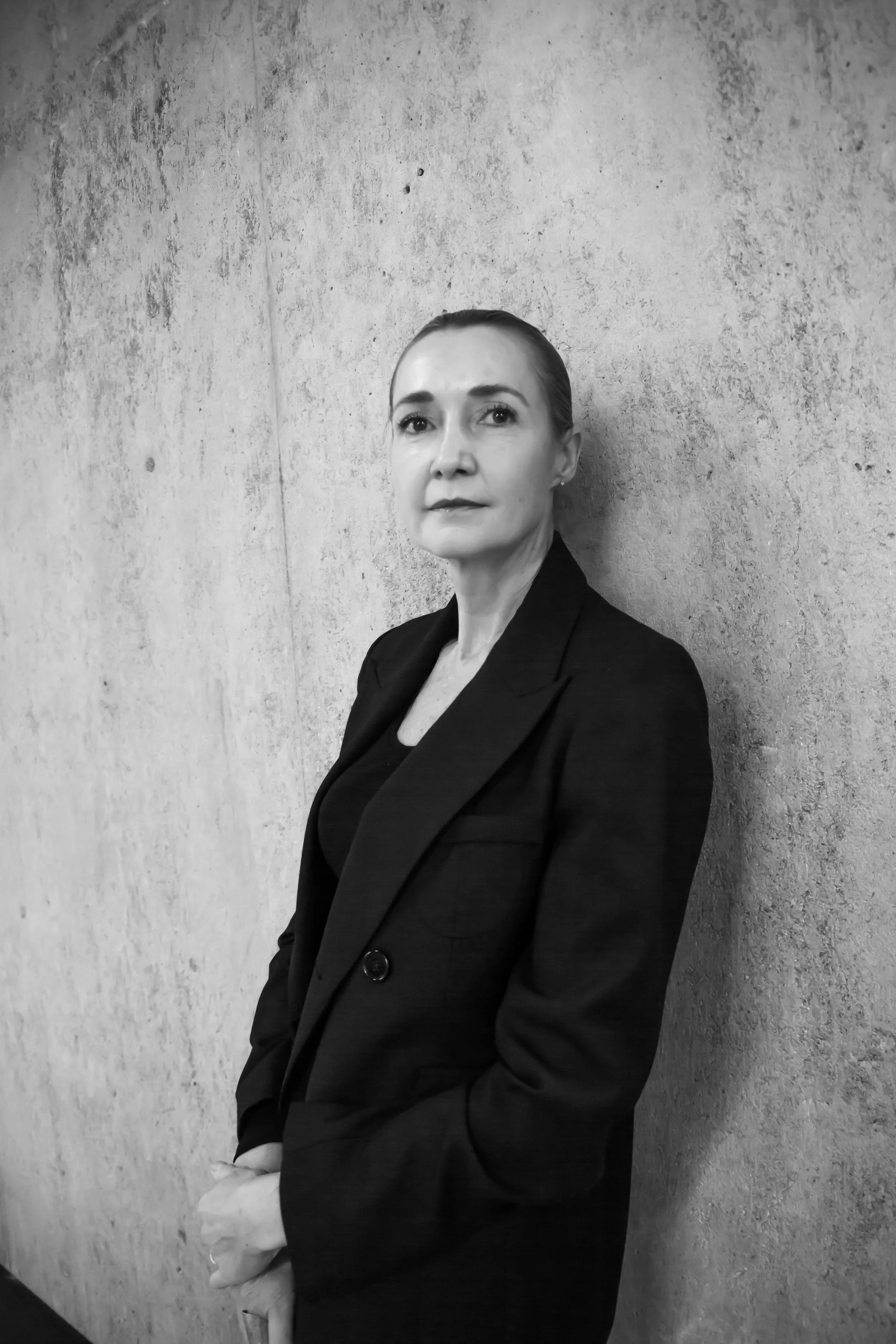
Emma Febvre-Richards
Emma Febrve-Richards is an artist and Associate Professor at Whiti o Rehua School of Art, Massey University Wellington Aotearoa New Zealand. She is passionate about ‘drawing is thinking’ and its potential for cognitive health and wellbeing. In 2018, Emma established MedArt: Science, drawing and technology, to advance neurological research which led to the flagship project MindArt (mindart.nz).
Founder/Director
Susan Gee, PhD
Susan is our lead researcher for the MinDArT project. Susan is an experienced researcher whose work often focuses on enabling person-centered support. Her aim is to share research evidence in a way that is easy to understand and can make a practical difference to promote support that begins with understanding the individual.
Lead Researcher
Advisory BoardDr Phillipe Robert
Dr Philippe Robert is Professor Emeritus of Psychiatry, co-director of the CoBTeK (Cognition Behavior Technology) laboratory at Université Côte d’Azur. CoBTeK focuses on mental health from birth to end of life and artificial intelligence. He is also the scientific coordinator of the CreaPolis (Research, Education and Support Center Sophia Antipolis at the JL Noisiez Fondation).