

Results That Matter
Clinical Research
Since launching MindArt in 2018, we have conducted multiple clinical trials in Aotearoa New Zealand and France, with our programme and resources now successfully implemented across diverse settings in both countries.
Read what our and other clinical researchers, occupational therapists, dementia advisors, health professionals and speech-language therapists have to say about our results and how they are using MindArt today.
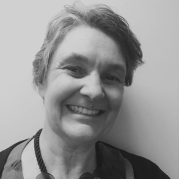
Dr. Susan Gee
LEAD RESEARCHER, MINDART
Psychiatry of Older Age Academic Unit at Health NZ I Te Whatu Ora Waitaha Canterbury

“MindArt delivers significant stress reduction for people living with dementia. Research in France demonstrated substantial decreases in both stress and anxiety, with benefits maintained over time. Our New Zealand randomised trial also found significant stress reduction for people living with dementia—measurably better than social engagement alone.”
“MindArt can hold attention and create meaningful experiences for people living with dementia, with 96% engagement through the session in observations. Participants describe feeling "relaxed," "calm," and "absorbed" during sessions. Some families noted continued peaceful engagement in art at home. MinDArT makes stress reduction accessible through art—no meditation experience required.”

Christelle Filleau
PSYCHOLOGIST SPECIALIZING IN NEUROPSYCHOLOGY
Rehabilitation, Autonomy and Aging Unit, Memory Resource and Research Center, Claude Pompidou Institute, Nice, France
“MinDArT is a feasible and accessible intervention for people living with stroke and post-stroke aphasia, with particular benefits for self-esteem and perceived stress”.
“I have seen such a change in the participants from the start to the end of MinDArT. Now I see an ability for the participants to focus and relax with ease, and let themselves get lost in their art, without the stress of trying to make something look ‘perfect’. Everyone tells me how much they enjoy the sessions, and how grateful they are to be a part of the MinDArT space , it is a calm relaxing space for them, where I actively work on creating a space that is wholly accessible to them, without them having other miss out on any of the opportunities that MinDArT offers. I watch them enter each session excited to be there, and get to the end and not want to leave, I have also watch so many new relationships establish, and connections being built that I believe will last outside the programme as well. It has truly been a wonderful experience getting to provide an accessible relaxing space for each member of MinDArT.”
“Mindart helps support cognitive and emotional abilities, reduce anxiety and promote non-verbal communication for patients with neurodegenerative disease.”
“Mindart provides caregivers with a space for emotional respite and strengthens the emotional bond through a shared experience, without performance pressure”.
“MindArt has proven to be a powerful complementary tool in supporting people living with neurodegenerative diseases and their supporters. It works on a sensory, emotional, and relational level, promoting overall well-being. MindArt helps restore presence in the moment, where illness tends to erase time, and preserves the human dimension of the caregiving relationship.”
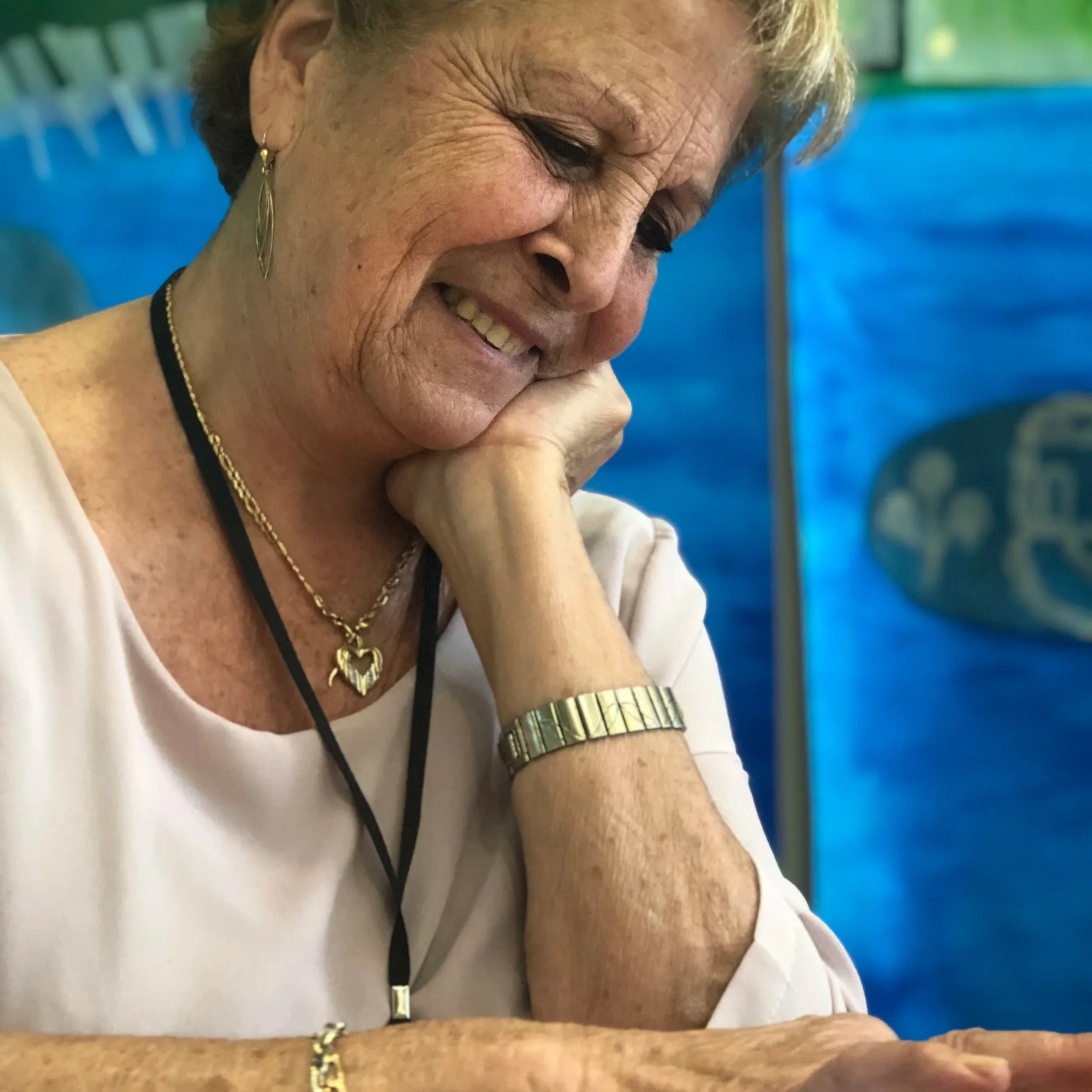
Nikita Smith
SPEECH-LANGUAGE THERAPIST
Health Research Council Stroke Survivors Study
Te Whatu Ora South Canterbury, Aotearoa New Zealand
Read these publications:
Explore these videos

The MindArt Programme in action
Dementia

-
“As a MindArt facilitator at each session, I saw each person connect with nature and their senses - sound, sight, touch, smell, music and movement. People opened up, relaxed. Different parts of their minds and souls were stimulated. People connected with each other too.”
“As a Dementia advisor, I saw people’s mindsets change over the sessions. People became less focussed on trying to make a specific artwork and more able to accept they couldn’t control everything. People started “going with the flow”. People were sometimes surprised at their creativity, discovering they could do things in original ways and enjoyed releasing control for part of their week. An essential approach for people supporting family members who have dementia.”
Tina Carter, Dementia Advisor, Dementia Wellington, Aotearoa New Zealand


-
“As a MinDArt evaluator I have heard (and seen) the positive effects of the programme beyond the formal measures. The satisfaction of achieving something new, alongside and with others. The unsaid knowing of each other’s challenges, and unsaid support of each other”
Emma Fromings, Health Improvement Practitioner, Mental Health Service Lead Kapiti, Tū Ora Compass Health, Aotearoa New Zealand
-
Stimulating, problem solving, simplicity, relaxing, endless possibilities, satisfying, perplexing, puzzling, engaging, absorbing, texture, absorbing, beautiful, colour, intricate, nature, grouping, discovery, repetition, focus, creating, fauvist, rewarding, fulfilling, complex, autumn, layering, connecting, remembering, telling stories, breath, star gazing, challenge, concentration, soporific, cosmic, liberating, discovery, collaboration, clouds, spring, control, bigger, patterns, rich, detail, engrossed, extending, happy, bright, grid, flow, obsessive, nature, focus, reflect, awareness, slow, gesture, getting lost, safe, soothing, connection to myself, stress-free, magical, definitely fun, enjoyable, simple to complex, imaginative, tactile, messy, challenged to go further or do more, making the connections.
Stroke

-
“I have seen such a change in the participants from the start to the end of MinDArT. Now I see an ability for the participants to focus and relax with ease, and let themselves get lost in their art, without the stress of trying to make something look ‘perfect’. Everyone tells me how much they enjoy the sessions, and how grateful they are to be a part of the MinDArT space , it is a calm relaxing space for them, where I actively work on creating a space that is wholly accessible to them, without them having other miss out on any of the opportunities that MinDArT offers. I watch them enter each session excited to be there, and get to the end and not want to leave, I have also watch so many new relationships establish, and connections being built that I believe will last outside the programme as well. It has truly been a wonderful experience getting to provide an accessible relaxing space for each member of MinDArT.”
Nikita Smith, Speech-Language Therapist, Te Whatu Ora South Canterbury, Aotearoa New Zealand
-
“I enjoy it every time I come, it’s my comfort, when life has its ups and downs”
“This is my space where I come to relax, and do something for me”
“I enjoy not only getting to watch my art come to life, but others’ artwork as well”
“I am so grateful to have had my stroke.. without it I would not have had so many opportunities, including MinDArT.”
“It’s changed the way I look at nature, I see lines, and circles and all shapes now!”
"Can we.. start the session a bit earlier? So that if we’ve got something like today, I want to be able to spend as much time as possible here!”
Quotes from stroke survivors
Day Programmes
-
“We tested MindArt in a day care setting with people living with a major cognitive disorder: it works!”
“With MindArt, it's always a joy to see the smiles of the participants and to feel the reduction in their tension at the end of the sessions, thank you!”
Dr. Philippe Robert, Professor of Psychiatry, Université Côte D’Azur, ex-director of the Memory Research Center (CMRR) of the University Hospital Center (CHU), Director of Cognition, Behavior & Technology tean CoBTeK), President of Innovation Alzheimer Association, CreApolis - Fondation JL Noisiez, and co-ordinator of the National Bank Alzheimer, France.

-
“Mindart helps support cognitive and emotional abilities, reduce anxiety and promote non-verbal communication for patients with neurodegenerative disease.”
“Mindart has proven to be a powerful complementary tool in supporting people with neurodegenerative diseases and their caregivers. It works on a sensory, emotional, and relational level, promoting overall well-being. Mindart helps restore presence in the moment, where illness tends to erase time, and preserves the human dimension of the caregiving relationship.”
Christelle Filleau, Psychologist specializing in neuropsychology: Rehabilitation,Autonomy and Aging Unit, Memory Resource and Research Center, Claude Pompidou Institute, Nice, France
Hospitals

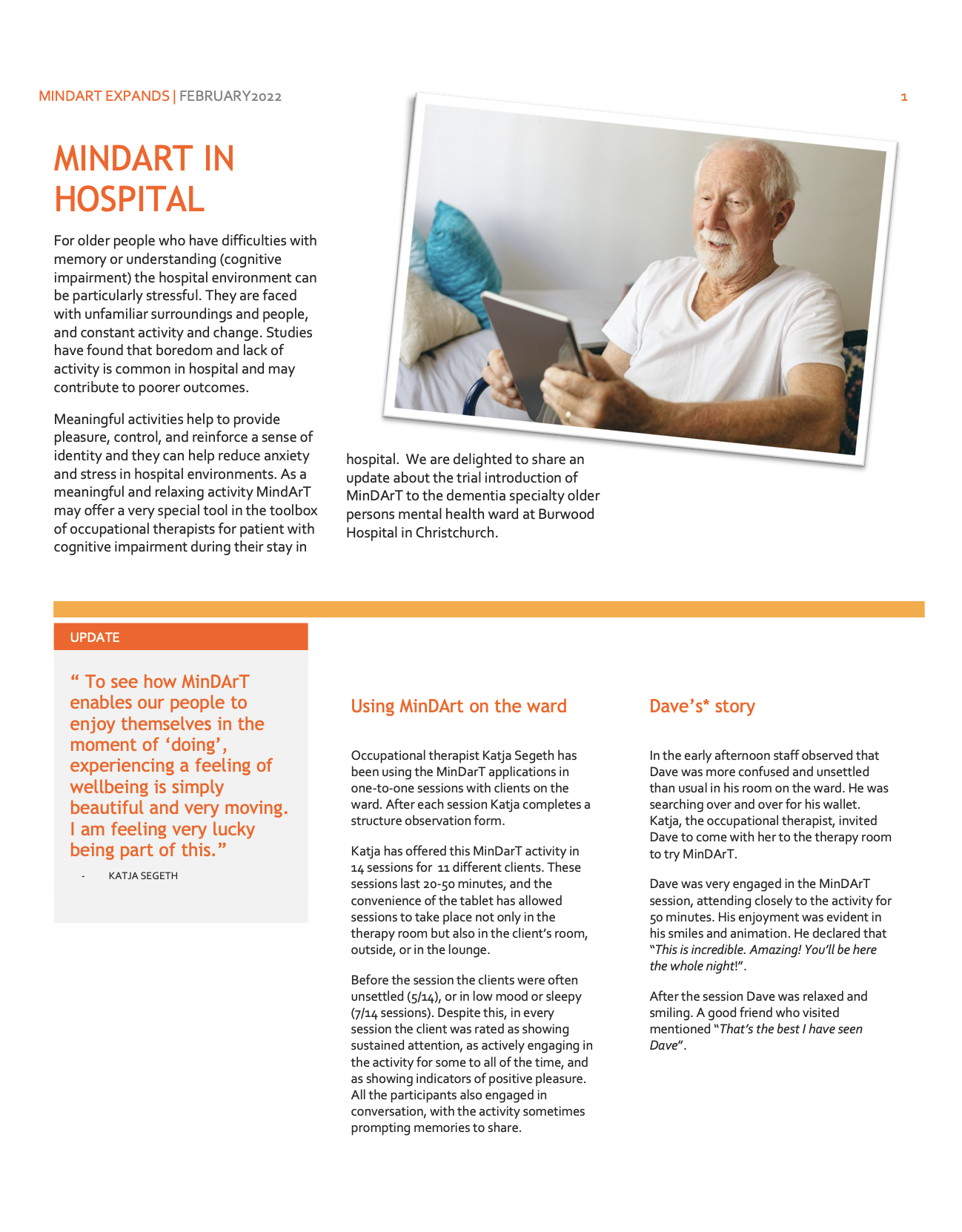
Burwood Hospital, Christchurch, Aotearoa New Zealand

-
“They said they really felt relaxed without the pressure of staying within the lines like you would with a colouring book. I’ve found that its great even for patients with tremors as they become less frustrated with making mistakes as you can easily erase what you’ve done”.
“We’ve had lots of positive feedback, one of our ladies expressed that she found the MindArt to be soothing and quieting her mind when it is usually so loud, another patient said, she really enjoyed the music and said that it was enough to lighten her mood without being too much. Thank you so much again for having the MindArt application to use this with our patients, we really appreciate the opportunity”.
Lucy Armstrong, Occupational Therapist Assistant, Dunedin Hospital, Aotearoa New Zealand.
Workplace Stress: Nursing Staff during COVID-19
-
During the COVID-19 pandemic, MindArt was implemented in hospital wards in Nice, France, to help reduce stress among nursing staff.
“A series of activities for challenging people with dementia to explore things to come, stimulate and keep their minds active.”
“it’s nice to be away and just to allow yourself to be in the moment and the freedom to express and using MindArt as a form.“
“It lets you be in the moment in a relaxing, meditative state, as well as being stimulating.”
“There’s a lot of joy that comes out of these sessions.”
At Home
“You could have left me there all day, I just got lost in it, in pretty much all of those exercises.”
“It’s like another form of communication using different mediums.”
“It’s inspirational too, it’s opening your mind to different ways of looking at things.“
“There’s a lot of empowerment that comes out of it too.”
“It’s quite wonderful how it’s not judgmental you have the freedom to express and explore, and you have fun with like-minded people who are on the same path with their loved ones.”